
How Dental Implants can Restore Satisfaction With Your Teeth
Missing one or more teeth can affect much more than the appearance of a smile. Tooth loss may influence how comfortably a person eats, speaks, and interacts with others, while also changing how they feel about their overall appearance. Fortunately, modern restorative dentistry offers options designed to replace missing teeth while supporting both function and aesthetics. For appropriate candidates, dental implants can provide a stable, natural-looking solution that helps restore greater satisfaction with a smile and makes everyday activities feel more comfortable again.
Feeling good about your teeth can have a meaningful impact on daily life. According to Dentaly, demand for cosmetic dental procedures is influenced by the fact that only 9% of people around the world report being completely satisfied with their teeth. When tooth loss contributes to that dissatisfaction, professional treatment can address both practical and cosmetic concerns. Dental implants are designed to replace missing teeth in a way that closely resembles the appearance and function of natural teeth.
Restoring a More Complete Smile
Filling Noticeable Gaps
A missing tooth can immediately change the appearance of a smile, particularly when the open space is visible while talking or laughing. Replacing that tooth fills the gap and creates a more complete appearance. For many patients, this change can make smiling feel more natural and comfortable in social and professional situations.
Creating Natural-Looking Results
Modern restorations are designed with appearance in mind. The visible portion of the replacement can be created to complement surrounding teeth in shape, size, and color. When carefully planned, dental implants can blend naturally with a patient's existing smile rather than drawing unwanted attention to the restored area.
Supporting Facial Aesthetics
Teeth contribute to the overall appearance of the mouth and lower face. Replacing missing teeth helps restore visual balance and can make a smile look more complete. Treatment planning considers the relationship between the restoration, surrounding teeth, and the patient's individual facial features.
Increasing Satisfaction With Appearance
People who have felt self-conscious about missing teeth may appreciate being able to smile without focusing on an empty space. While every patient's experience is different, restoring missing teeth can help address an appearance-related concern that may have affected confidence for years.
Restoring More Comfortable Eating
Improving Chewing Function
Missing teeth can make certain foods more difficult to chew, especially when tooth loss affects areas responsible for breaking down food. A stable replacement helps restore function in the affected area so that chewing forces can be distributed more effectively during meals.
Providing Greater Stability
One defining feature of implant treatment is the stable foundation created for the restoration. Unlike removable options that may move during use, dental implants are anchored within the jaw. This stability can make eating feel more natural once treatment and healing are complete.
Supporting a Varied Diet
When chewing becomes uncomfortable, people may begin avoiding foods that are difficult to manage. Restoring missing teeth may provide greater freedom when choosing meals. Patients should follow their dentist's recommendations regarding foods and chewing during treatment and healing.
Making Meals More Enjoyable
Eating should not require constant concern about an open space or an unstable tooth replacement. Restoring comfortable function can allow patients to focus more on enjoying meals with family and friends instead of continually thinking about their missing teeth.
Restoring Greater Speaking Confidence
Supporting Clear Pronunciation
Teeth play an important role in forming certain sounds. Depending on the location and number of missing teeth, tooth loss can influence speech patterns or pronunciation. Replacing missing teeth may help restore the oral structures involved in producing clear speech.
Reducing Concerns About Movement
Patients using certain removable restorations may occasionally worry about movement while speaking. Because dental implants provide a stable foundation for replacement teeth, appropriately planned implant-supported restorations can reduce concerns about a replacement shifting unexpectedly during conversations.
Encouraging Comfortable Conversations
Feeling self-conscious about missing teeth can influence how freely someone speaks or smiles around others. Restoring the affected area may help patients feel less focused on their teeth during conversations, meetings, celebrations, and other social interactions.
Supporting Everyday Communication
Communication is an essential part of everyday life. A tooth replacement that looks natural and remains stable can provide reassurance when talking with other people. This functional improvement can contribute to greater overall satisfaction with restorative dental treatment.
Restoring Support for Oral Health
Replacing Missing Tooth Roots
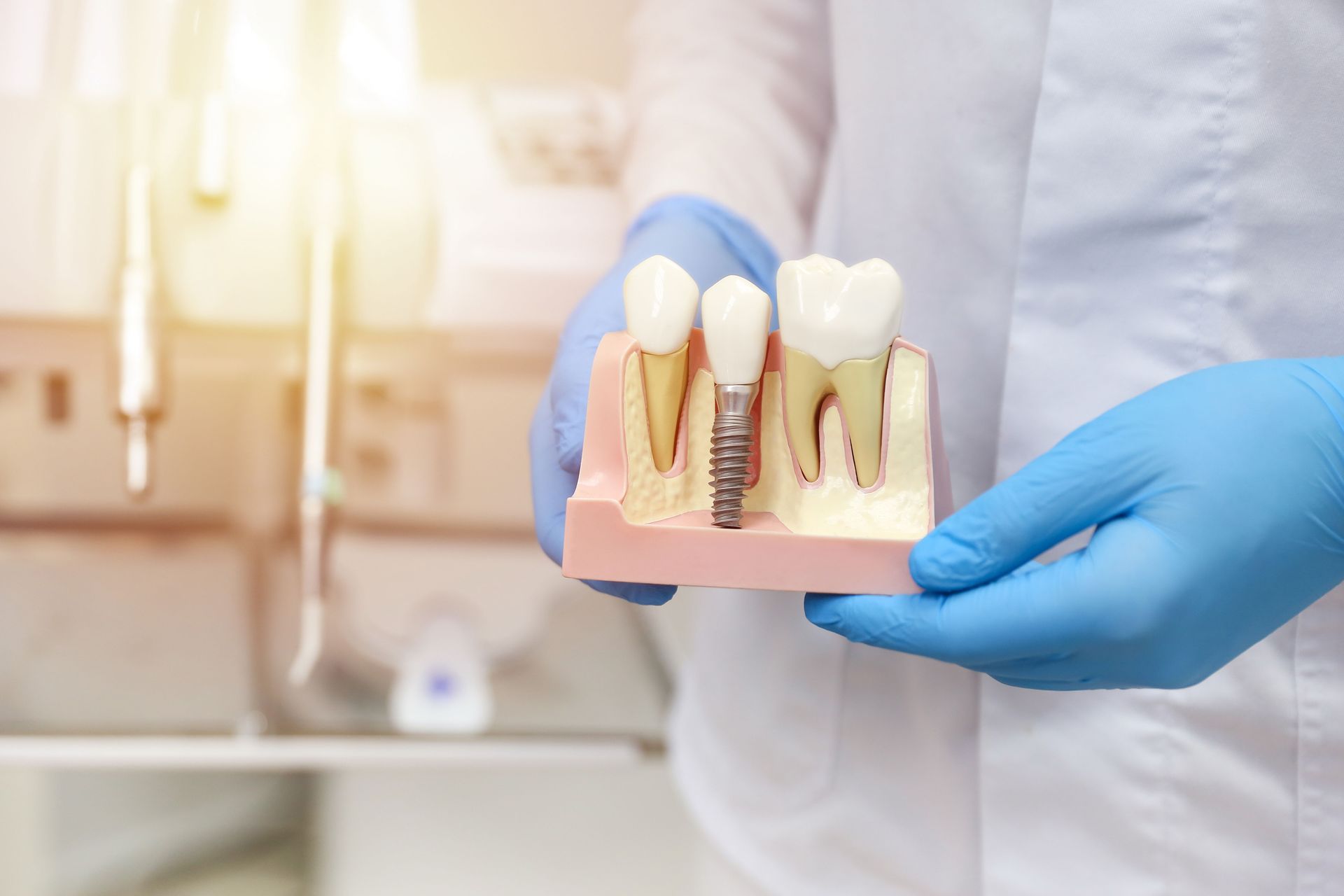
Implant treatment differs from many other tooth replacement options because an implant is positioned in the jaw to replace the missing tooth root. After appropriate healing, it provides a foundation for the restoration that will replace the visible portion of the missing tooth.
Stimulating the Jawbone
Natural tooth roots transfer forces to the jaw during chewing. When a tooth is lost, that stimulation is also lost. Dental implants can transmit forces to the surrounding bone, which is one reason they may be considered when evaluating long-term tooth replacement options.
Preserving Neighboring Teeth
Depending on the restoration selected, replacing a missing tooth with an implant may avoid the need to use neighboring natural teeth for support. A dentist can evaluate the condition of surrounding teeth and explain how different restorative choices may affect them.
Supporting Comprehensive Care
Professional examinations, cleanings, appropriate home care, and ongoing monitoring remain important after treatment. Implant restorations and surrounding tissues require continued attention, just like the rest of a patient's mouth.
Restoring Long-Term Reliability
Providing a Durable Foundation
Patients often want a tooth replacement that fits comfortably into their lives for years to come. Implant treatment is designed to create a durable foundation for a replacement tooth. Individual longevity varies according to oral health, care, habits, medical factors, and other circumstances.
Supporting Daily Function
Once treatment is complete, dental implants are intended to function as part of a patient's everyday smile. Their stability can support common activities such as eating and speaking without requiring the patient to continually think about the missing tooth that was replaced.
Reducing Removable Components
Depending on the treatment plan, implant-supported restorations may provide patients with a fixed alternative to certain removable tooth replacements. Some patients appreciate having a restoration designed to remain securely positioned rather than needing to remove it as part of their normal routine.
Providing Personalized Treatment
Dentists evaluate oral health, bone availability, the number and location of missing teeth, medical history, and individual goals before recommending treatment. Personalized planning helps determine whether implant treatment is a suitable choice.
Restoring Greater Everyday Confidence
Feeling Comfortable While Smiling
People naturally smile throughout the day, whether greeting friends, taking photographs, or meeting someone new. When a missing tooth makes someone reluctant to smile, replacing it may remove a source of self-consciousness and help social interactions feel more comfortable.
Feeling Confident in Social Settings
Concerns about missing teeth can become particularly noticeable during special occasions, work events, and gatherings. A natural-looking restoration may allow patients to focus more fully on the people and experiences around them instead of worrying about how their smile appears.
Enjoying Familiar Daily Activities
Being able to eat, speak, laugh, and smile comfortably can influence how a person experiences everyday life. Restoring a missing tooth can address several of these concerns through one carefully planned treatment approach.
Investing in Personal Satisfaction
Some patients prioritize appearance, while others are primarily concerned about chewing function, stability, or long-term oral health. A professional consultation provides an opportunity to discuss those goals and determine which tooth replacement solution best matches them.
Living with missing teeth can affect appearance, function, and confidence in ways that become part of everyday routines. Replacing those teeth can restore a more complete smile while improving stability for activities such as eating and speaking. Implant treatment can also provide an option that feels integrated into the mouth rather than continually reminding a patient of the tooth that was lost.
Every patient's oral health and treatment needs are different, so determining the right restorative approach requires a thorough professional evaluation. Factors such as bone health, surrounding teeth, overall wellness, and personal preferences can all influence treatment recommendations. Understanding these considerations allows patients to make informed decisions about restoring their smiles and pursuing results that meet their individual expectations.
If missing teeth are keeping you from feeling fully satisfied with your smile, contact Panneton Dental Group today to schedule a consultation and learn whether dental implants could help restore the appearance, function, and confidence you want from your teeth.


Share On: