
How a Local Dentist Supports Lifelong Oral Health
Achieving ideal oral health requires lifelong dedication and proper guidance. Healthy teeth and gums contribute to systemic wellness, affecting digestion, speech, and physical comfort. People who prioritize their smiles experience fewer complications as they age. This journey demands more than sporadic attention; it requires a sustained partnership with knowledgeable professionals. Consistent clinical oversight prevents minor concerns from escalating into major health complications that require complex restorative treatments.
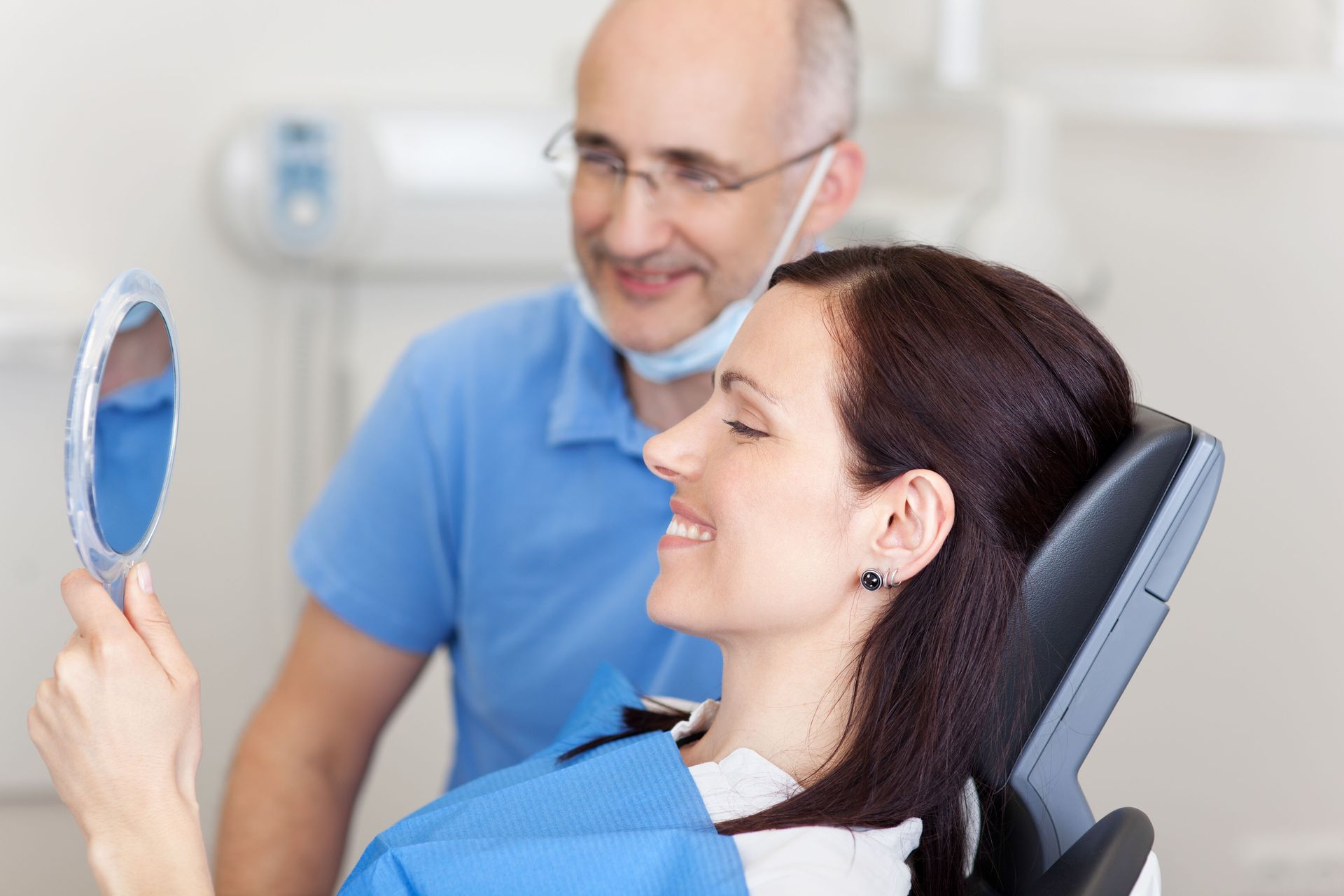
A community-based practitioner serves as the cornerstone of this ongoing effort. By visiting a local dentist, patients secure a steadfast ally in their healthcare journey. These practitioners offer continuity, maintaining detailed records of a patient's mouth over time. This ongoing relationship allows for personalized care tailored to specific life stages. Such dedication forms the bedrock of a healthy, lasting smile, ensuring individuals receive reliable monitoring year after year.
Establishing Foundations for Optimal Dental Care
A robust health strategy begins with a comprehensive initial assessment. During an introductory visit, practitioners map the existing state of a patient's mouth. They examine enamel integrity, gum health, and structural alignment. This baseline evaluation dictates the future course of treatment. Patients benefit from this thorough approach because it reveals hidden vulnerabilities and establishes a clear path toward sustained wellness, setting the stage for future preventive measures.
Modern clinics utilize advanced imaging technologies to peer beneath the surface. Radiographs and intraoral cameras reveal bone density and root health. These diagnostic measures detect issues invisible to the naked eye. Practitioners use these images to formulate precise, individualized care plans. Without this foundational knowledge, long-term oral health remains unpredictable and susceptible to sudden deterioration, making unseen decay a looming threat to overall dental stability.
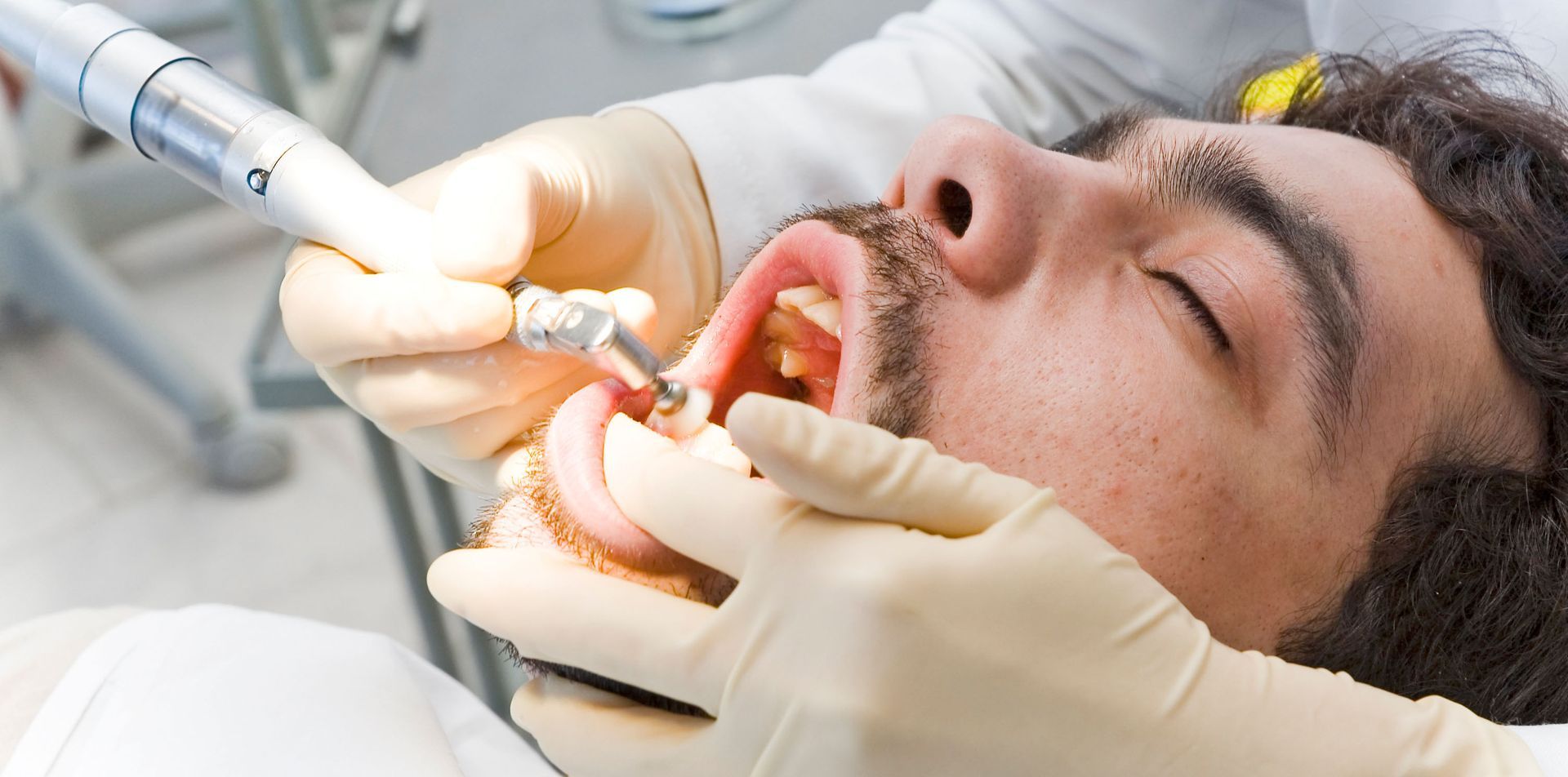
Routine examinations build upon this diagnostic foundation. According to the Centers for Disease Control and Prevention, about 65.5% of adults who are 18 or older visited a dentist for a routine cleaning or examination. These visits allow professionals to monitor subtle changes. Professional cleanings remove hardened plaque, preventing decay and gingivitis before they take root and cause irreversible damage to sensitive periodontal tissues.
Through periodic evaluations, a local dentist tracks the efficacy of home care routines. If plaque accumulates in specific regions, the practitioner adjusts the preventive strategy. They might recommend different tools or modifications to daily habits. This continuous feedback loop ensures patients remain on track toward optimal wellness. The practitioner’s oversight transforms abstract health goals into achievable realities for the community, reinforcing good habits through expert encouragement.
Identifying Issues for Early Intervention Strategies
Even with diligent at-home care, microscopic threats develop unseen. Bacteria consume sugars and produce acids, compromising enamel strength. Left unchecked, this process leads to cavities and more serious structural damage. Early detection remains the most effective defense against tooth loss and severe pain. Catching these problems in their infancy minimizes discomfort and preserves the natural tooth structure, allowing patients to maintain their biological smiles without artificial prosthetics.
Periodontal disease represents another silent threat to oral stability. Gingivitis begins with mild inflammation and occasional bleeding during brushing. Without professional intervention, it advances to periodontitis, which degrades the supporting bone. This progression happens without immediate pain, making clinical observation vital. Professionals look for pockets around the gums, signaling the need for targeted therapy to halt the disease and prevent the catastrophic loosening of permanent teeth.
During routine appointments, a local dentist searches for these subtle indicators. They use specialized instruments to measure gum attachment and probe enamel hardness. By noticing a microscopic weak spot, they apply fluoride varnishes or suggest sealants. These simple, non-invasive actions reverse early decay. Patients avoid complicated procedures because their practitioner intervened at the precise moment of need, demonstrating the profound value of proactive clinical oversight.
Addressing minor problems averts the need for extensive restorative work. Fillings and superficial treatments require less recovery time and preserve more biological material than crowns or root canals. Intervention strategies focus on conservation. By prioritizing conservative treatments, practitioners help individuals keep their original teeth. This proactive philosophy spares patients from future distress, complex dental reconstructions, and the physical toll associated with major oral surgeries.
Providing Education for Daily Hygiene Practices
Clinical appointments constitute a fraction of a patient’s total oral care regimen. The majority of maintenance happens at the bathroom sink. Therefore, patient education holds immense value in disease prevention. Professionals spend significant time explaining the mechanics of effective brushing and flossing. They demonstrate proper angles and motions to maximize plaque removal without causing tissue damage, ensuring individuals leave the clinic with actionable hygiene skills.
Ignorance regarding proper techniques leads to unintended harm. Vigorous scrubbing with stiff bristles erodes enamel and causes gum recession. Conversely, inadequate brushing leaves bacterial colonies intact. Clinical teams correct these errors through hands-on demonstrations and clear instructions. By equipping patients with the correct knowledge, clinics empower individuals to protect their smiles between professional cleanings, fostering a sense of independence and competence in daily self-care routines.
Diet plays a crucial role in maintaining a healthy mouth. Fermentable carbohydrates feed the bacteria responsible for tooth decay. Acidic beverages weaken the mineral structure of teeth, increasing vulnerability. Healthcare providers discuss nutritional choices with their patients, highlighting the dangers of frequent snacking. They suggest water consumption and protective foods to neutralize acids and support remineralization, bridging the gap between nutritional science and dietary habits.
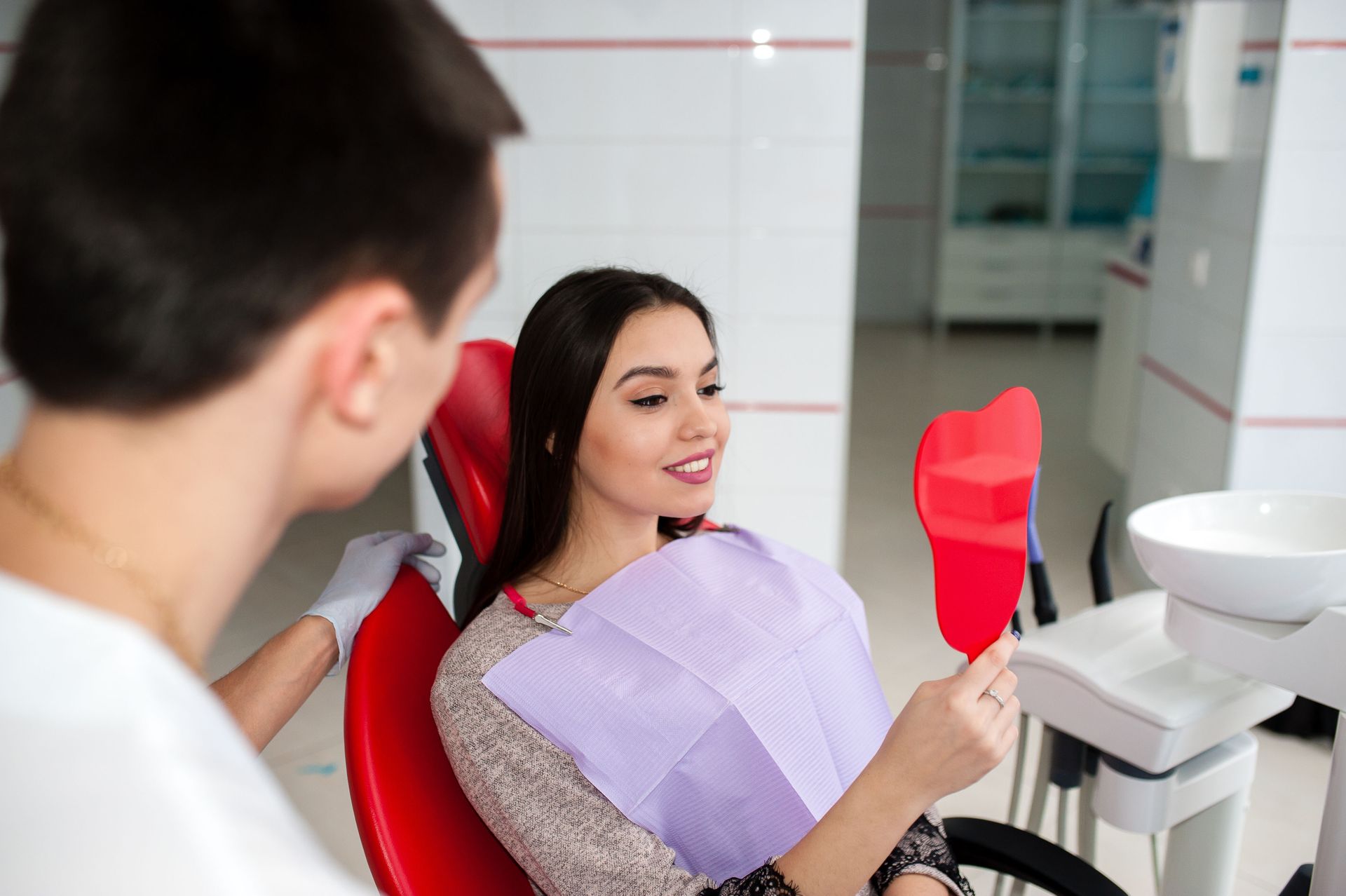
A local dentist reinforces these lifestyle modifications during every visit. By asking specific questions about dietary habits and hygiene tools, they encourage accountability. If a patient struggles with flossing, the practitioner might introduce interdental brushes or water flossers as alternatives. This personalized guidance ensures that individuals adopt sustainable, effective habits tailored to their unique circumstances, making daily hygiene a tailored experience rather than a generic chore.
Customizing Treatments for Individual Patient Needs
Different individuals possess distinct oral characteristics and unique genetic predispositions. Some people produce saliva with lower mineral content, increasing their cavity risk. Others experience accelerated tartar buildup due to the specific alignment of their jaws. Standardized approaches fail to address these biological variables. Effective healthcare demands personalized strategies based on distinct anatomical and physiological factors, ensuring that treatment protocols align with the biological realities of the patient.
Age-related transitions dictate shifts in clinical focus. Young adults might face erupting wisdom teeth, requiring monitoring and potential extraction. Pregnant individuals experience hormonal fluctuations that trigger exaggerated gum inflammation. Mature patients confront dry mouth caused by systemic medications, which accelerates decay. Recognizing these life stages allows professionals to anticipate problems and implement protective measures in advance, shielding patients from predictable complications associated with human maturation.
Chronic health conditions also influence the trajectory of dental care. Diabetes impairs the body’s healing capacity, making patients susceptible to severe periodontal infections. Osteoporosis affects the jawbone, complicating the placement of prosthetics. Medical histories inform all clinical decisions. Practitioners modify their techniques and recommendations to accommodate systemic illnesses, ensuring holistic safety and comprehensive well-being, acknowledging the deep connection between the mouth and the rest of the body.
A local dentist excels at managing these complex, evolving profiles. Because they see patients over extended periods, they notice when a new medication alters saliva production or when stress causes nocturnal teeth grinding. They provide bite guards, suggest specific mouthwashes, and adjust recall intervals. This adaptability ensures that patients receive optimal care regardless of their evolving life circumstances, creating a dynamic healthcare approach that adapts to life changes.
Lifelong oral health requires a collaborative effort between the patient and a dedicated clinical team. Daily maintenance combined with expert oversight forms an impenetrable defense against decay and disease. This journey spans an entire lifetime, moving from fundamental prevention to customized interventions. People who commit to this partnership enjoy functional, pain-free smiles throughout their lives, avoiding the severe consequences of neglect and enjoying excellent oral aesthetics.
Finding a reliable practitioner guarantees access to this essential support system. A local dentist provides the continuity, education, and early intervention necessary for sustained wellness. By cultivating a durable bond with a community practitioner, individuals safeguard their systemic health and personal comfort. Investing in this clinical relationship yields a lifetime of vibrant, enduring oral health, proving that consistent professional collaboration is the ultimate key to a beautiful smile. We invite you to make Panneton Dental Group your dedicated local dentist for all your evolving oral healthcare needs. Call our office today to schedule an appointment and let us help you maintain a healthy, vibrant smile for life.

Share On: