
The Science of a Perfect Smile: Understanding the Success of Dental Implants
More than just a cosmetic solution, dental implants restore function and appearance by mimicking natural teeth with remarkable precision. This article explores the science behind these innovative restorations, highlighting the key benefits they offer, from improved oral health to enhanced comfort, long-term durability, and ease of maintenance. We'll also examine the latest technological advancements that have made implants a reliable and increasingly accessible option in modern restorative dentistry, helping patients reclaim both their smile and their confidence while enjoying a renewed quality of life.
History and Evolution of Dental Implants
Ancient Techniques and Materials
Long before modern dentistry, ancient civilizations experimented with tooth replacement techniques. The ancient Egyptians used seashells as rudimentary forms of dental implants. Meanwhile, the Mayans inserted carved stones or jade into the jawbone to replace missing teeth. These early attempts demonstrated a basic understanding of the need for natural-feeling dental solutions. Nonetheless, such techniques lacked the precision and longevity of today's dental innovations.
Breakthroughs in Implant Science
With time, innovations in dental implants ushered in significant breakthroughs. The discovery of titanium's biocompatibility in the mid-20th century changed the playing field. This material helped achieve successful dental integration, where the implant fuses with the bone. According to Unnus, dental implants have a 97% success rate, a testament to the advancements in implant technology. Research and technological developments have continued to improve patient outcomes exponentially.
Key Figures in Implant History
Pioneers like Dr. Per-Ingvar Branemark played crucial roles in the field of dental implants. His accidental discovery in the 1950s that titanium could seamlessly integrate with bone laid the foundation for modern implant technology. His methods became the global standard, impacting millions of lives. Other notable figures include Leonard Linkow, who made strides with advanced implants. Together, these visionaries laid the groundwork for the reliable dental solutions we enjoy today.
Development of Modern Dental Implants
Today's dental implants are the culmination of decades of scientific research and clinical trials. Initially, the field struggled with material science and surgical techniques. Now, modern dental implants boast improved aesthetics, durability, and functionality. Enhanced imaging technologies and surgical innovations have made implants more accessible and reliable. This evolution continues to make significant strides in the field of restorative dentistry.
Milestones Achieved Over the Decades
The timeline of dental implant advancements features numerous key milestones. In the 1980s, the global adoption of Branemark's methods indicated a turning point. The introduction of computer-aided design and manufacturing further improved implant customization. Discussions about risk prevention and management rose to prominence in the 21st century. The continuous drive for innovation ensures that the future of dental implants remains promising.
Components and Design of Dental Implants
The Implant Fixture
The implant fixture serves as the foundation upon which modern dental implants are built. It is made and surgically inserted into the jawbone. The fixture's biocompatibility ensures proper dental integration, creating a stable base for the crown. Engineers have optimized its design for both performance and longevity. Today's implants are often micro-textured to reduce failure rates.
Understanding Abutments
By connecting the implant fixture to the dental crown, abutments play a pivotal role. They are crafted from diverse materials such as titanium, zirconia, and gold. This component ensures the seamless integration of the implant with the natural tooth structure. Abutments must also be carefully selected based on the location and usage scenario of the implant. Their adaptability enables dentists to provide tailored solutions for every patient's needs.
The Role of Crowns in Implants
The crown serves as the visible part of the dental implant, mimicking the natural tooth appearance. It is often made from high-quality porcelain or ceramic for a lifelike aesthetic. Modern crowns are highly customizable in terms of shade, shape, and fit. By providing function and beauty, crowns complete the restoration process. With advances in materials, crowns are now more durable and resilient to wear and tear.
Material Innovations in Implant Design
Material advancements have been instrumental in the success of dental implants. Titanium remains the gold standard due to its unparalleled biocompatibility. Researchers are exploring alternatives like zirconia for patients with metal allergies. Novel coatings and surface treatments also show promise in enhancing dental integration. As technology progresses, the materials used in dental implants continue to evolve and improve.
Customizing Implants for Individual Needs
Customization is a crucial consideration in implant science, ensuring a personalized fit for each patient. Dental professionals utilize digital imaging and modeling to design implants that meet the patient's unique anatomical requirements. This technology facilitates precise measurements and high-quality outcomes. Custom implants offer both aesthetic and functional benefits, resulting in increased patient satisfaction. Their development epitomizes the marriage of technology and personalized medical care.
Clinical and Practical Considerations for Patients
Candidate Assessment and Pre-Surgery Evaluation
Assessing a candidate's suitability for implants involves various considerations. Dentists examine factors like bone density, oral and systemic health, and patient expectations. Pre-surgery evaluations often include imaging studies and diagnostic assessments. This rigorous evaluation process ensures tailored treatment plans for optimal success. By prioritizing thorough assessments, dental professionals uphold the high success rates of implants.
The Procedure: What to Expect
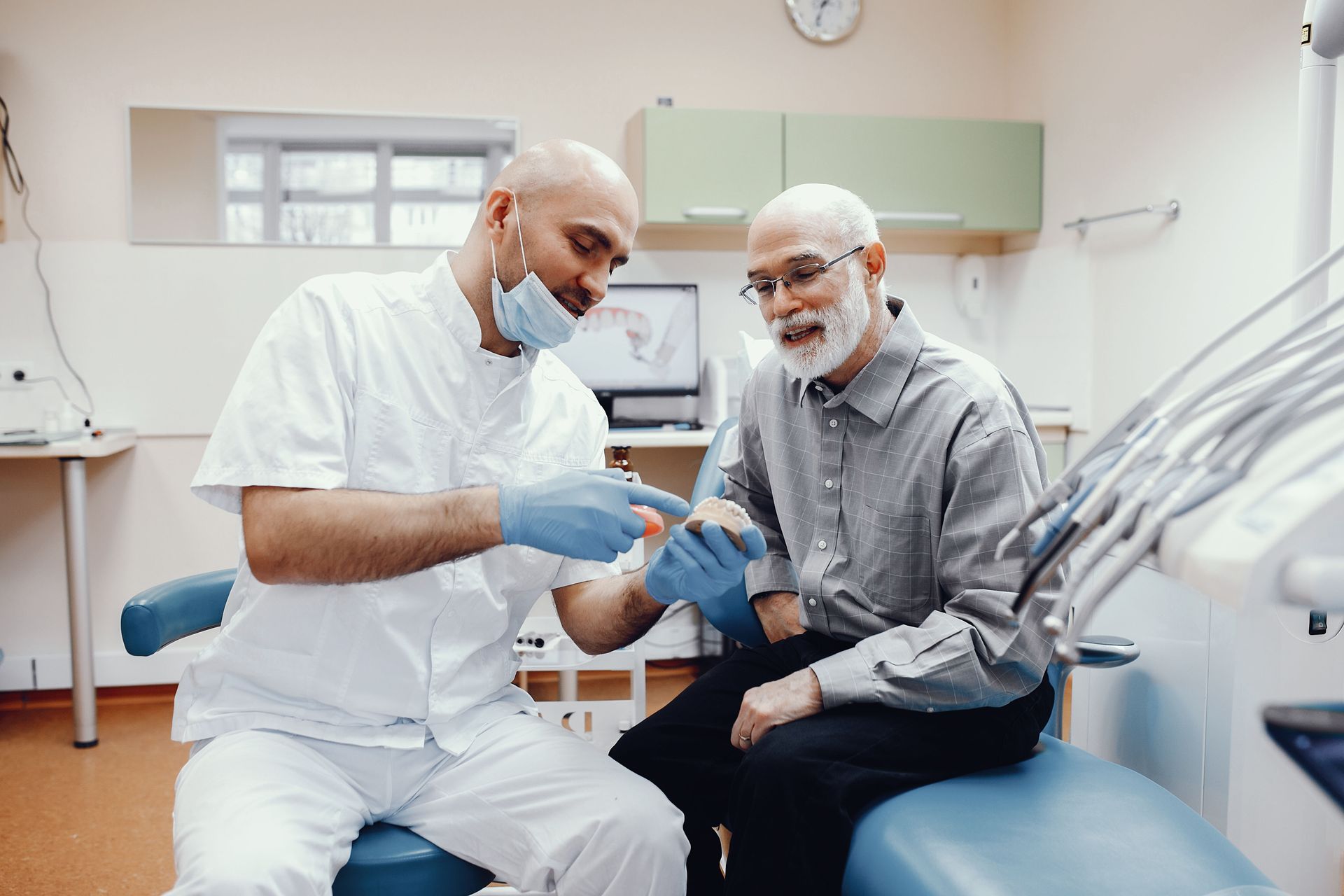
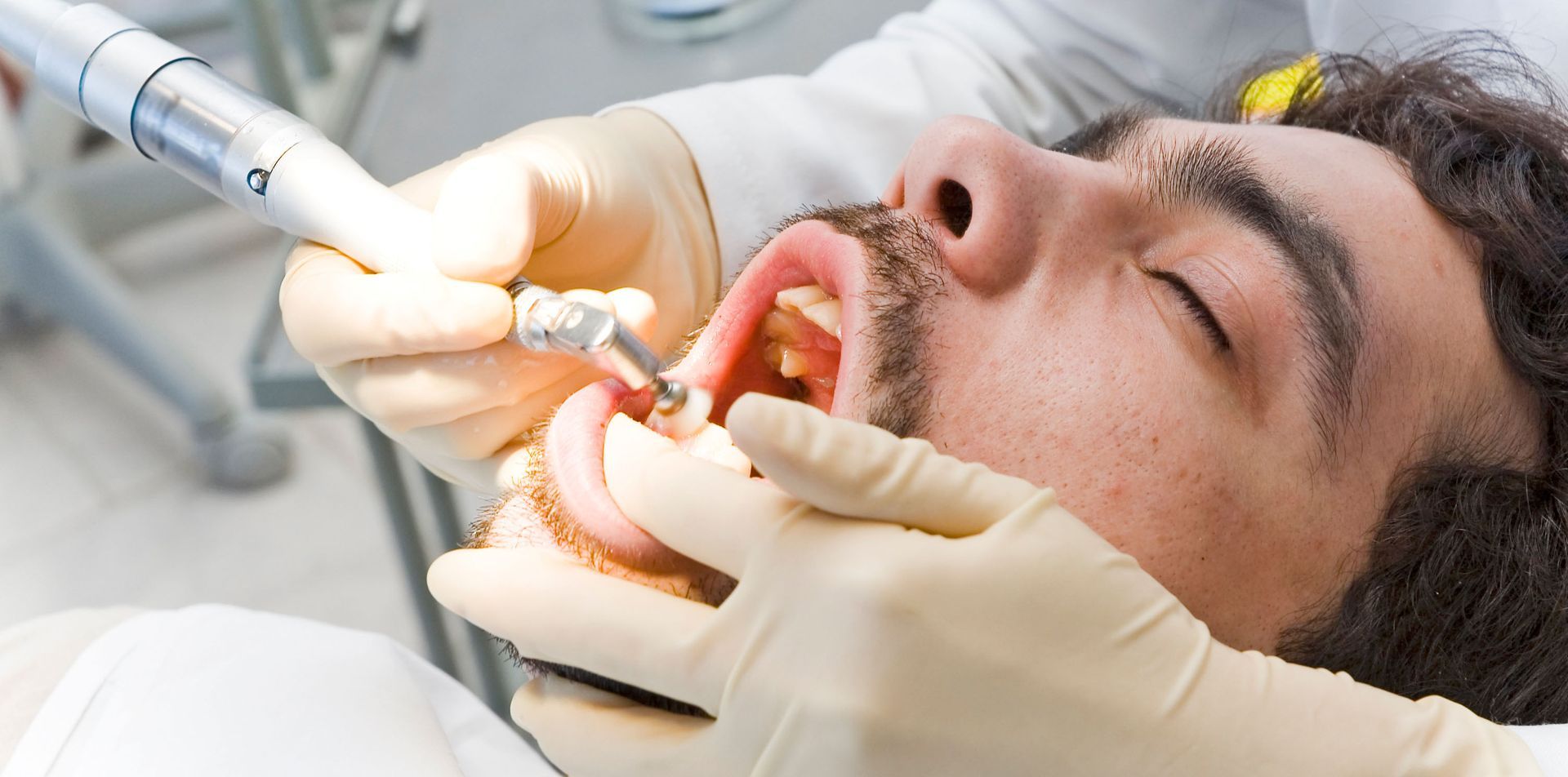
Understanding the implant procedure helps patients set realistic expectations. The process generally involves multiple stages, including surgical placement and final restoration. Patients are advised on potential discomfort and recovery timelines. Knowing the journey from start to finish empowers patients and encourages adherence to post-surgery care. Clear communication between the dentist and patient is key to a positive treatment experience.
Post-operative Care and Recovery
Post-operative care is vital for the successful integration of dental implants. Patients are often provided with guidelines for oral hygiene, diet adjustments, and medications. Recovery times can vary, but most patients resume normal activities within a few days. Follow-up appointments are critical for monitoring healing progress and addressing concerns. Adhering to recommended post-operative care accelerates recovery and minimizes complications.
Maintaining Your Implants Long-term
Consistent maintenance is crucial to preserving the integrity of dental implants. Good oral hygiene practices prevent dental issues and maintain gum health. Regular dental check-ups ensure early detection and management of potential problems. Patients are educated on the signs of trouble and encouraged to report any changes promptly. Such vigilance contributes to the outstanding longevity that implants are known for.
Addressing Common Concerns and Misconceptions
Despite their success, misconceptions about dental implants persist. Concerns often revolve around pain, cost, and the fear of surgery. However, advancements have made implant procedures more comfortable and predictable. Patients should discuss these concerns with their dental professionals to make informed decisions. Dispelling myths helps potential candidates understand the true benefits and realities of choosing dental implants.
Dental implants represent a remarkable fusion of science, technology, and personalized care, offering more than just aesthetic improvements. They restore natural function, support oral health, and provide a durable, long-term solution for missing teeth. Advances in materials, surgical techniques, and digital customization have made implants highly reliable and accessible to a broader range of patients.
By addressing individual needs and prioritizing proper evaluation, post-operative care, and maintenance, dental professionals ensure consistently high success rates. For anyone who wants a lasting, functional, and natural-looking restoration, dental implants offer the opportunity not only to reclaim a confident smile but also to enhance overall quality of life, comfort, and oral well-being. Schedule an appointment with Panneton Dental Group today and take the first step toward a healthier, more confident smile.


Share On: