
Why a Dental Implant May Be the Right Solution for Your Child's Missing Tooth
A missing tooth can affect more than a child's smile. It may influence chewing, speech development, confidence, and the alignment of surrounding teeth. Whether a tooth is missing because of an injury, a developmental condition, or another dental concern, parents often want to understand the available treatment options and how each one may affect their child's long-term oral health.
A dental implant can be an effective way to replace a missing tooth in the right circumstances. However, children have unique dental needs because their jaws and facial structures are still developing. Understanding how implants work, when they may be appropriate, and which alternatives are available can help parents make informed decisions alongside their child's dental care team.
Understanding the Purpose of Tooth Replacement
Every tooth plays an important role in maintaining oral health. Teeth help children chew food comfortably, pronounce certain sounds, and maintain the natural spacing that supports a balanced smile. When a permanent tooth is missing, nearby teeth may gradually shift into the open space, potentially affecting the bite and making future dental care more complicated.
The impact of a missing tooth depends on its location, the child's stage of development, and the reason the tooth is absent. A missing front tooth may be especially noticeable and affect a child's willingness to smile, while a missing back tooth may interfere with comfortable chewing. A dentist can evaluate these concerns and determine whether treatment is necessary immediately or whether monitoring is appropriate.
Replacing a missing tooth is not simply a cosmetic decision. The goal is to support healthy oral development while preserving the function and appearance of the smile. Depending on the circumstances, a dental implant may eventually provide a durable replacement that looks and functions much like a natural tooth.
Exploring How Dental Implants Work
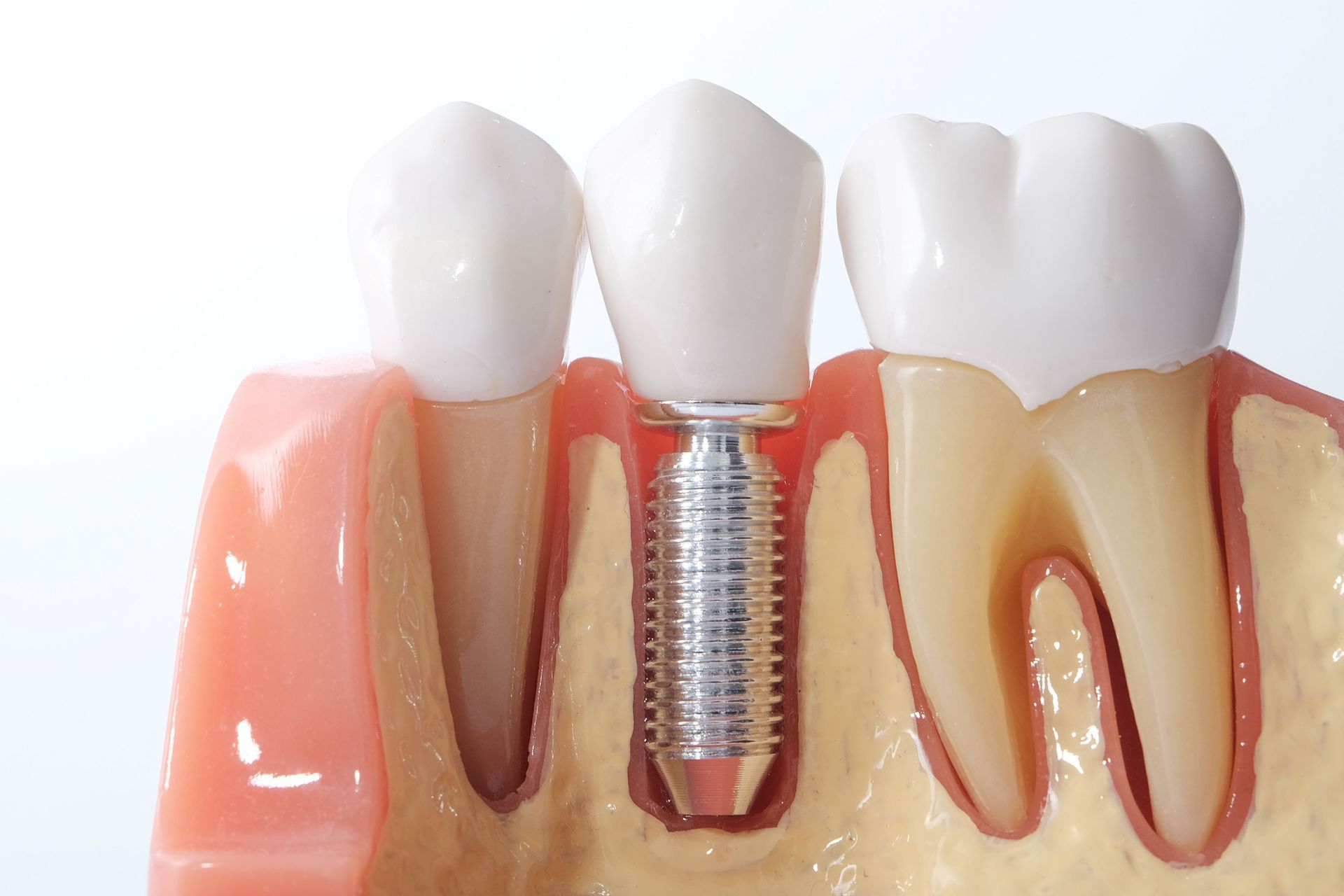
A dental implant is a small post, commonly made from titanium or another biocompatible material, that is placed in the jawbone to support a replacement tooth. Over time, the surrounding bone integrates with the implant, creating a stable foundation for a dental restoration. Once the implant has healed sufficiently, a dentist can attach a crown designed to resemble the surrounding natural teeth.
One benefit of this approach is that the replacement tooth does not rely on neighboring teeth for support in the same way some traditional dental bridges do. With appropriate planning and maintenance, implants can provide a functional, natural-looking result. They can also help preserve bone in the area where a tooth is missing by transferring chewing forces to the jaw.
However, a dental implant is not automatically the right choice for every child. Successful placement depends on several factors, including bone development, oral health, the condition of surrounding teeth, and the patient's ability to maintain good hygiene. A dentist must evaluate these considerations before recommending treatment, especially when the patient is still growing.
Considering Growth Before Implant Placement
Children's jaws and facial structures change as they develop. Unlike a traditional tooth replacement that can be adjusted as a child grows, an implant becomes integrated with the jawbone and does not move naturally with the surrounding teeth. Placing one too early can lead to differences in tooth position, gum levels, and the appearance of the smile as development continues.
According to the American Academy of Implant Dentistry, clinicians generally wait until facial growth has finished before considering implants for younger patients. This stage often arrives around age sixteen for girls and eighteen for boys, although individual development varies. These general guidelines help explain why a dentist may recommend postponing permanent implant placement even when a missing tooth is causing concern.
Waiting does not mean a child must go without treatment in the meantime. A dentist can discuss temporary options that address appearance and function while the jaw continues to develop. Regular evaluations can help determine when the timing is appropriate for a more permanent solution, reducing the likelihood of complications associated with placing an implant before growth is complete.
Evaluating Alternatives for Growing Children
When a child loses a permanent tooth, parents may want a solution that restores the smile without requiring them to wait until adulthood. Fortunately, several alternatives may help protect oral function and appearance during the growing years. The most appropriate choice depends on the missing tooth's location, the child's development, and the condition of the surrounding teeth.
A removable partial denture is one option that can replace a missing tooth while accommodating changes in the mouth. Depending on its design, it may improve appearance and help with everyday activities. A dentist can explain how the appliance should fit, when adjustments may be necessary, and how to clean it properly to support healthy gums and remaining teeth.
Other approaches may include a temporary bridge or a space maintainer when clinically appropriate. These devices serve different purposes, so they are not interchangeable in every situation. A space maintainer, for example, helps preserve room for a developing tooth rather than replacing the missing tooth itself. Discussing the advantages and limitations of each option helps parents understand which treatment best supports their child's current needs.
Maintaining Oral Health Before Treatment
Good oral hygiene is essential whether a child receives a temporary restoration or eventually becomes a candidate for an implant. Brushing thoroughly with fluoride toothpaste, cleaning between the teeth, and attending regular dental appointments can help reduce the risk of cavities and gum inflammation. Healthy surrounding teeth and gums provide a better foundation for future restorative treatment.
Parents can help children develop consistent habits by supervising brushing when needed and making dental care part of the daily routine. They should also encourage children to report discomfort, swelling, changes in their bite, or problems with a removable appliance. Addressing concerns early can prevent minor issues from becoming more complicated and help the dental team monitor the affected area.
If an implant becomes an appropriate option later, maintaining healthy gums and addressing existing dental problems will remain important. Patients must also understand that restorations require ongoing care. Although implants cannot develop cavities like natural teeth, the surrounding gum tissue can become inflamed, and the supporting bone may be affected by disease. Consistent home care and professional monitoring help protect the investment in a restored smile.
Planning a Personalized Dental Treatment
Choosing how to replace a child's missing tooth requires more than selecting a restoration that looks appealing. A comprehensive evaluation allows the dentist to consider the child's age, dental history, jaw development, oral hygiene, and any underlying condition that contributed to the missing tooth. Imaging and other assessments may also help the dental team understand the available bone and the position of nearby structures.
Parents should feel comfortable asking questions about the expected treatment timeline, possible risks, costs, and alternatives. It is also helpful to discuss whether the immediate priority is maintaining space, improving appearance, restoring chewing function, or preparing for a future permanent restoration.
A dental implant may ultimately offer a long-lasting solution for a child who has reached the appropriate stage of development and meets the necessary clinical requirements. Until then, a carefully selected temporary option can help address everyday concerns.
Contact Panneton Dental Group today to discuss your child's missing tooth, explore available treatment options, and take the next step toward a healthier, more confident smile.


Share On: