
What Dentists Want You to Know Before Choosing a Dental Crown
Dental crowns play a central role in restoring damaged or weakened teeth, offering both structural support and aesthetic improvement. While the procedure is common, it still represents a meaningful investment in your oral health, which makes preparation important. Taking time to understand the process and gather relevant details helps you approach treatment with clarity rather than uncertainty. Asking thoughtful questions also gives you a clearer picture of what to expect at every stage, from preparation to long-term care.
Open communication with dentists allows patients to feel more confident about their choices while avoiding misunderstandings about materials, timelines, or outcomes. Every case is different, and what works well for one person may not be ideal for another. By exploring your options and discussing concerns early, you can move forward with a plan that reflects both your needs and your expectations. This guide outlines key areas to cover so you can make informed decisions before committing to a dental crown.
Understanding Crown Material Options
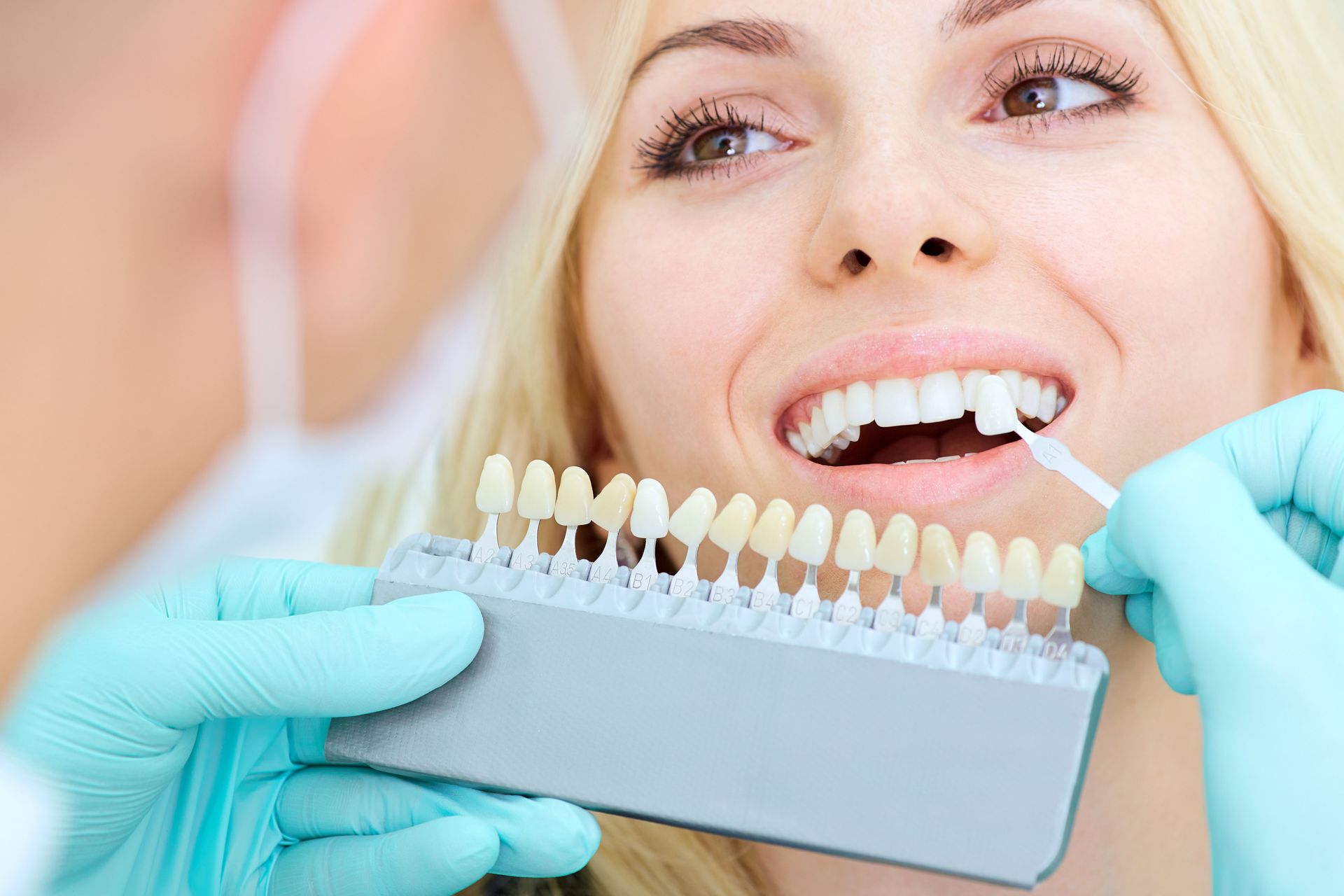
Dental crowns are made from a variety of materials, each offering distinct advantages depending on the situation. Common choices include metal alloys, porcelain, ceramic, and zirconia. Metal crowns are known for their durability and ability to withstand heavy chewing forces, making them a practical option for back teeth. Porcelain and ceramic crowns, on the other hand, are designed to mimic the natural appearance of teeth, which makes them popular for visible areas of the mouth. Zirconia combines strength with a more natural look, creating a balanced option for many patients.
When comparing these materials, it becomes important to weigh visual appeal against long-term performance. Some materials may look more natural but wear down faster under pressure, while others last longer but are more noticeable. Dentists often guide patients through these trade-offs by considering lifestyle habits, such as grinding or clenching, along with cosmetic priorities. This discussion helps narrow down the choices to options that suit both functional and aesthetic goals.
Personal factors also influence which material works best. Bite alignment, tooth location, and overall oral health all play a role in determining the most suitable crown. For example, a front tooth restoration may prioritize appearance, while a molar may require maximum durability. Having a detailed conversation about these factors helps tailor the treatment plan so it aligns with your daily needs and long-term expectations.
Understanding The Crown Placement Process
The process of receiving a dental crown begins with a comprehensive evaluation of the affected tooth. During this stage, dentists examine the structure of the tooth, check for decay or damage, and determine whether a crown is the appropriate solution. X-rays or digital imaging may be used to gather more detailed information, which helps shape the treatment plan. This initial step also provides an opportunity to discuss materials, costs, and any concerns you may have about the procedure.
Once the plan is established, the tooth is prepared for the crown. This involves reshaping the tooth so the crown can fit securely and comfortably. After preparation, an impression is taken to create a custom crown that matches your bite and surrounding teeth. Modern dental offices may use digital scanning technology for increased precision, while others rely on traditional molds. Accuracy at this stage plays a major role in how well the final crown fits and functions.
While the permanent crown is being created, a temporary crown is placed to protect the prepared tooth. This temporary solution allows you to maintain normal function while waiting for the final restoration. At the follow-up appointment, the permanent crown is fitted, adjusted if needed, and bonded into place. Dentists typically check your bite and alignment carefully to confirm the crown feels natural and secure before completing the procedure.
Understanding Crown Longevity Expectations
The lifespan of a dental crown depends on several factors, including the material used and how well it is maintained over time. According to the Cleveland Clinic, the average lifespan of a dental crown is five to 15 years. This range highlights how different habits and conditions can influence durability. With proper care, some crowns may last even longer, while others may need replacement sooner due to wear or damage.
Daily oral hygiene plays a major role in extending the life of a crown. Brushing twice a day, flossing regularly, and keeping up with dental visits help protect both the crown and the underlying tooth. Avoiding habits like chewing ice or using teeth as tools can also reduce unnecessary stress on the crown. Dentists often recommend these preventive steps to help patients get the most value from their restoration.
It is also important to recognize early signs that a crown may need attention. Sensitivity, discomfort, or changes in bite alignment can indicate potential issues. If a crown feels loose or shows visible wear, scheduling a dental visit quickly can prevent further complications. Addressing small concerns early helps maintain overall oral health and reduces the likelihood of more extensive treatment later.
Understanding Possible Risks And Concerns
Although dental crowns are widely used and generally safe, there are still some things to consider. Some patients experience temporary sensitivity to hot or cold after the procedure, which usually subsides over time. Discomfort may also occur if the crown does not fit perfectly at first, but adjustments can often resolve this issue. Dentists monitor these outcomes and make refinements when needed to improve comfort.
In rare cases, complications such as allergic reactions or infections can occur. Certain materials may not be suitable for individuals with specific sensitivities, which is why sharing your medical history is important. Infections typically arise when bacteria affect the underlying tooth, making prompt attention essential. Dentists address these concerns by selecting appropriate materials and maintaining proper hygiene throughout the process.
Another potential issue involves the impact on surrounding teeth. A crown that is not properly aligned may cause uneven pressure or discomfort in adjacent areas. Monitoring how your bite feels after placement is important, as early adjustments can prevent longer-term complications. Staying attentive to these details helps protect the overall balance of your teeth and supports a smoother recovery.
Understanding Steps For Better Results
Achieving a successful outcome with a dental crown starts with selecting the right dental professional. Experience, communication style, and attention to detail all contribute to the quality of the final result. Dentists who take time to explain the process and answer questions can help you feel more comfortable and informed throughout the experience. This collaborative approach creates a stronger foundation for a positive outcome.
Choosing to get a dental crown involves more than just scheduling a procedure, as it requires thoughtful planning and open discussion. By asking meaningful questions and understanding each step of the process, you gain greater control over your dental care decisions. From material selection to long-term maintenance, every detail contributes to how well the crown performs and how satisfied you feel with the outcome. Taking the time to explore these topics allows you to approach treatment with confidence and clarity.
If you are considering a dental crown, start by scheduling a consultation and preparing a list of questions based on your priorities. Speak openly about your concerns, review your options carefully, and take an active role in shaping your treatment plan. Making informed decisions today can lead to stronger results and a healthier smile for years to come. Reach out to Panneton Dental Group to better understand your crown options.



Share On: