
Why More Americans Are Scheduling Visits With a Dentist in 2026
The landscape of American healthcare is undergoing a massive transformation in 2026, and perhaps nowhere is this shift more visible than in the waiting rooms of oral health providers across the country. For decades, many individuals viewed oral healthcare as a secondary concern, often delaying appointments until a minor ache escalated into a full-blown emergency. However, we have reached a significant turning point where the importance of a healthy smile is finally being matched by the accessibility of professional care. This year represents a landmark era for public health, as more people than ever before are taking proactive steps to maintain their teeth and gums. This surge in activity is the result of a perfect storm of legislative changes, technological breakthroughs, and a fundamental shift in how we perceive the connection between our mouths and our overall physical well-being.
As we navigate through 2026, the local dentist has become a central figure in the modern wellness routine, serving as a primary line of defense against systemic diseases and a vital partner in long-term health maintenance. This cultural evolution is being driven by an informed public that recognizes the value of prevention over reactive treatments. With more resources available to help patients understand their oral needs, the stigma and mystery surrounding the exam chair are fading away. The following sections explore the specific reasons why millions of Americans are making their way to the dental office this year and what this means for the future of national health.
Expanding Access Through Legislative Reform
One of the primary drivers behind the record-breaking number of appointments this year is the culmination of long-term healthcare policy shifts. The way Americans pay for and access professional care has been fundamentally restructured to prioritize preventative services and dismantle the financial barriers that once hindered families from seeking a dentist. By integrating more robust coverage options and emphasizing the necessity of routine cleanings, the legislative environment has encouraged a shift toward proactive maintenance rather than emergency interventions. This increase in utilization suggests that when the hurdles of cost and complexity are lowered, people are eager to prioritize their oral health as a key component of their medical routine.
According to Health Affairs, the medical and dental insurance reforms instituted under the Affordable Care Act will increase rates of dental care use and the number of dental visits, with utilization rates reaching 47% in 2026 and the number of visits reaching 334 million. These reforms have significantly expanded the safety net, allowing more demographics to receive high-quality care without the fear of crippling out-of-pocket expenses. As more individuals enter the system with improved coverage, the frequency of professional cleanings and early interventions has skyrocketed, creating a healthier population across all demographics and ensuring that small issues are caught before they become expensive problems.
Bridging The Gap Between Oral and Systemic Health
In 2026, the general public is more informed than ever about the intricate link between oral hygiene and systemic physical health. We have moved past the era where people thought the mouth was an isolated part of the body, and patients now understand that inflammation in the gums can have far-reaching consequences for the heart, lungs, and even cognitive function. This awareness has turned a visit to the dentist into a holistic health check. People are now scheduling appointments not just to brighten their smiles, but to manage risks associated with chronic conditions like diabetes and cardiovascular disease, making the dentist an essential part of their primary care team.
Medical professionals across all specialties are increasingly referring their patients back to oral health experts as part of comprehensive treatment plans. This newfound respect for the "oral-systemic connection" has transformed the perception of a standard cleaning from a simple cosmetic chore into a life-saving preventative measure. When patients realize that managing their periodontal health can potentially lower their risk of a heart attack or help regulate their blood sugar levels, the motivation to keep those semi-annual appointments becomes much stronger. This holistic approach ensures that the mouth is treated as a gateway to the rest of the body’s health.
Utilizing Advanced Diagnostic Technology
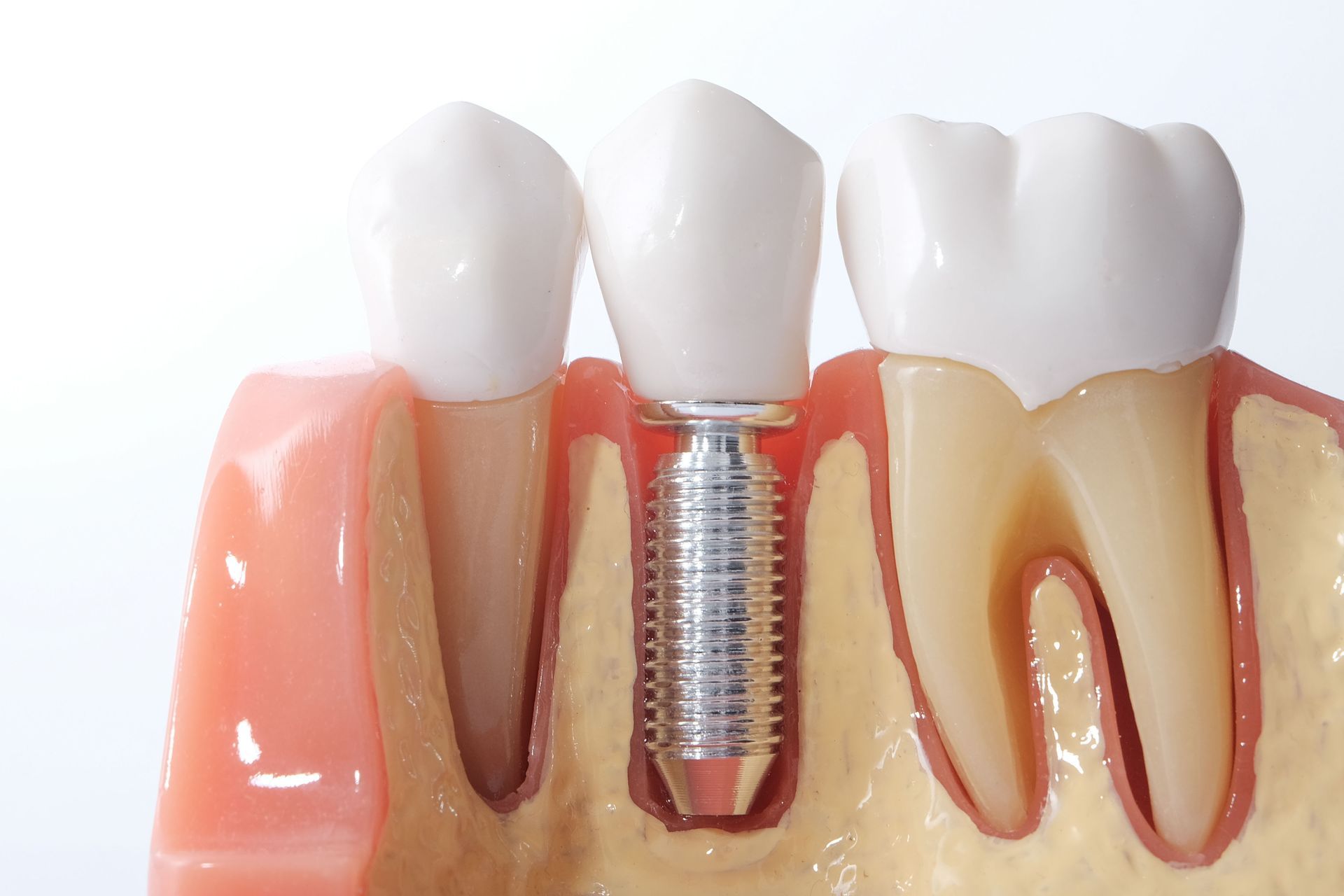
The experience of sitting in a modern exam chair in 2026 is vastly different from what it was even a decade ago. The integration of cutting-edge technology, such as artificial intelligence in diagnostic software, has made visits faster, more accurate, and significantly more comfortable. These AI tools can spot microscopic cavities or early signs of bone loss long before they are visible to the naked eye, allowing for less invasive treatments. Digital scanning has also largely replaced the messy, uncomfortable putty impressions of the past, making the process of getting crowns, bridges, or aligners a seamless and entirely digital experience for the modern patient.
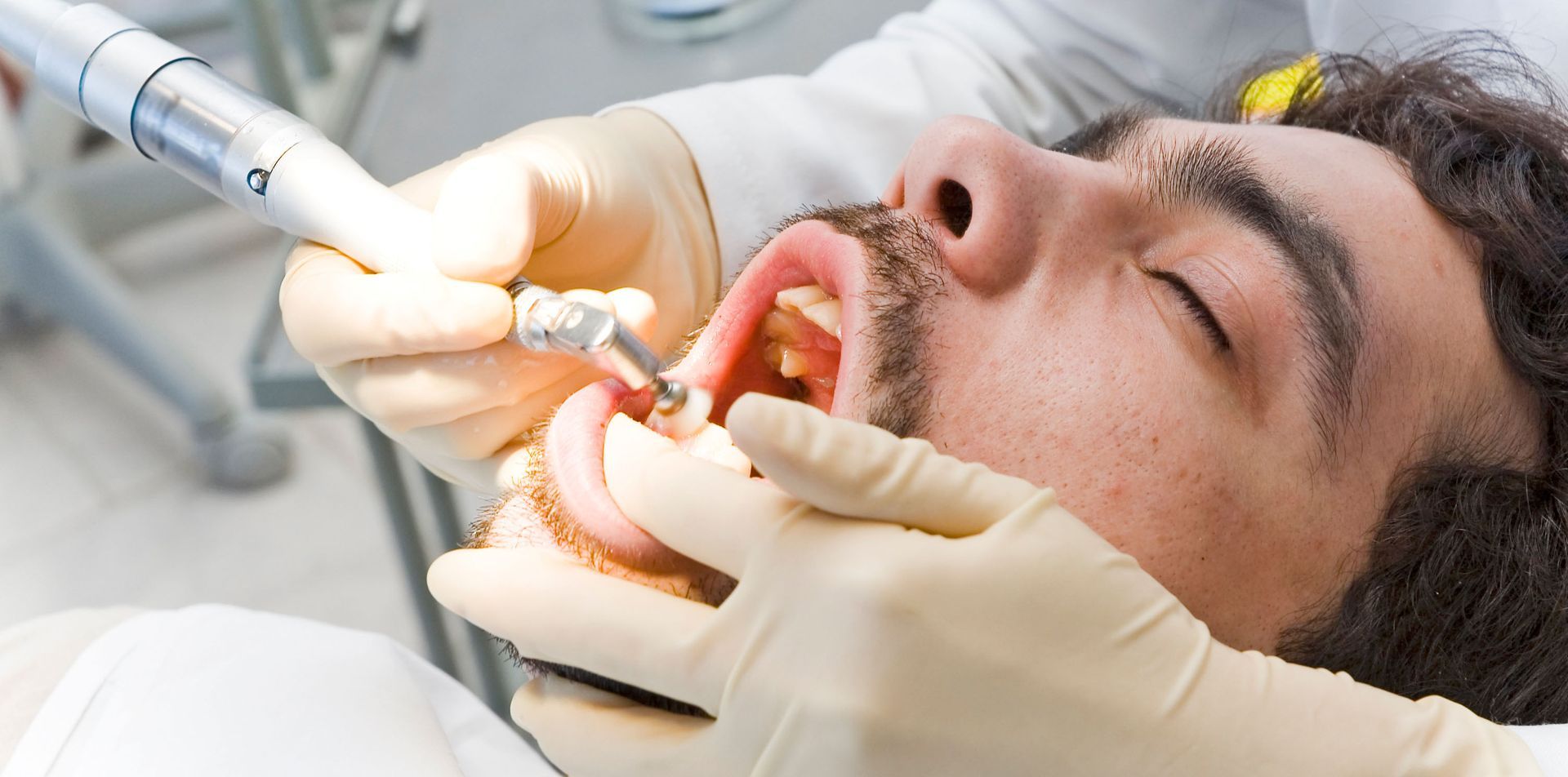
Furthermore, laser technology has become an industry standard, allowing for many procedures to be performed without the need for traditional drills or local anesthesia. These advancements have drastically reduced the "fear factor" that historically kept many Americans away from professional care for years at a time. When patients know they can receive a high-tech, painless, and highly efficient treatment, they are far more likely to remain consistent with their scheduled checkups. This focus on technological innovation has not only improved clinical outcomes but has also made the patient experience more pleasant and less intimidating than ever before.
Prioritizing Aesthetics in a Visual Culture
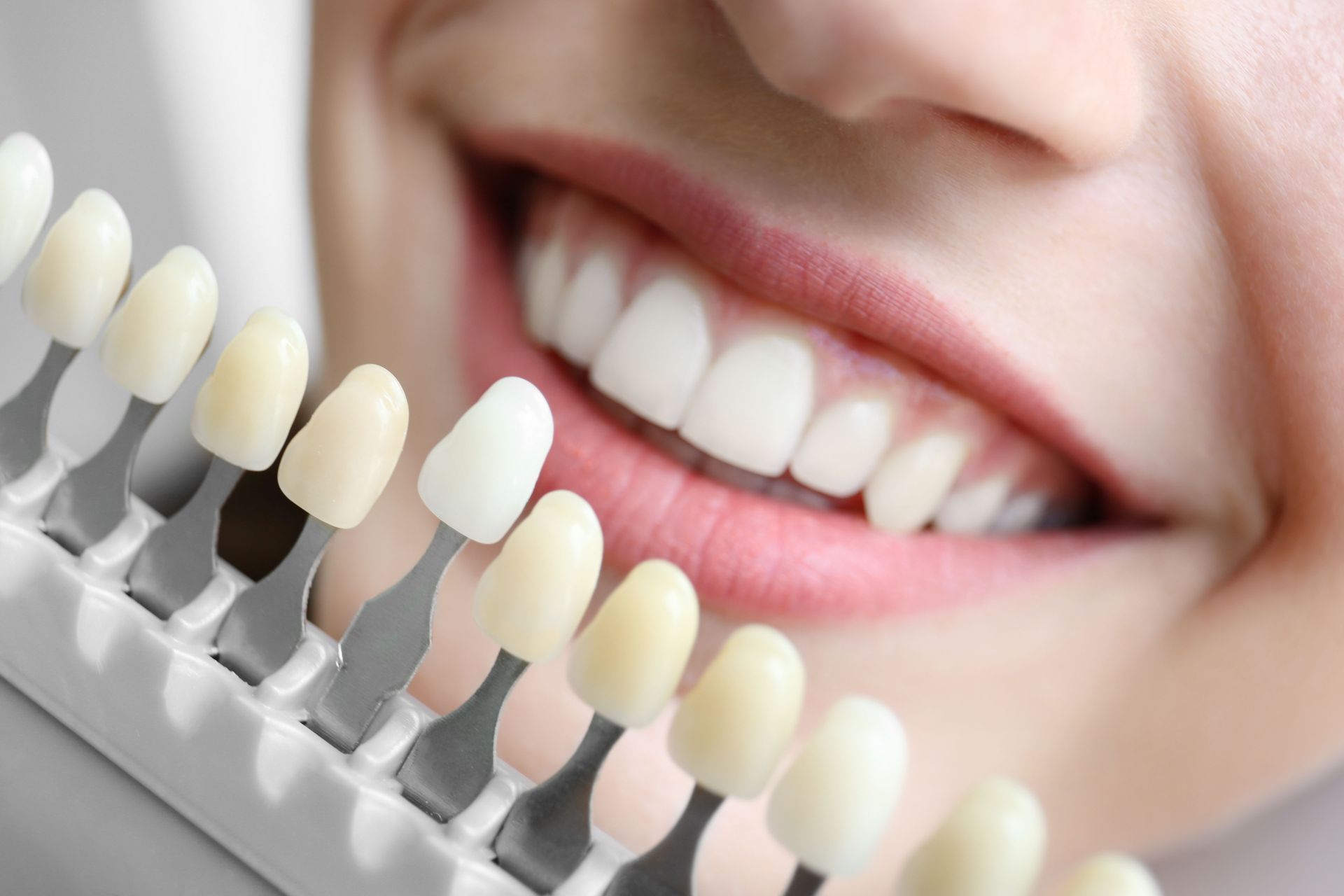
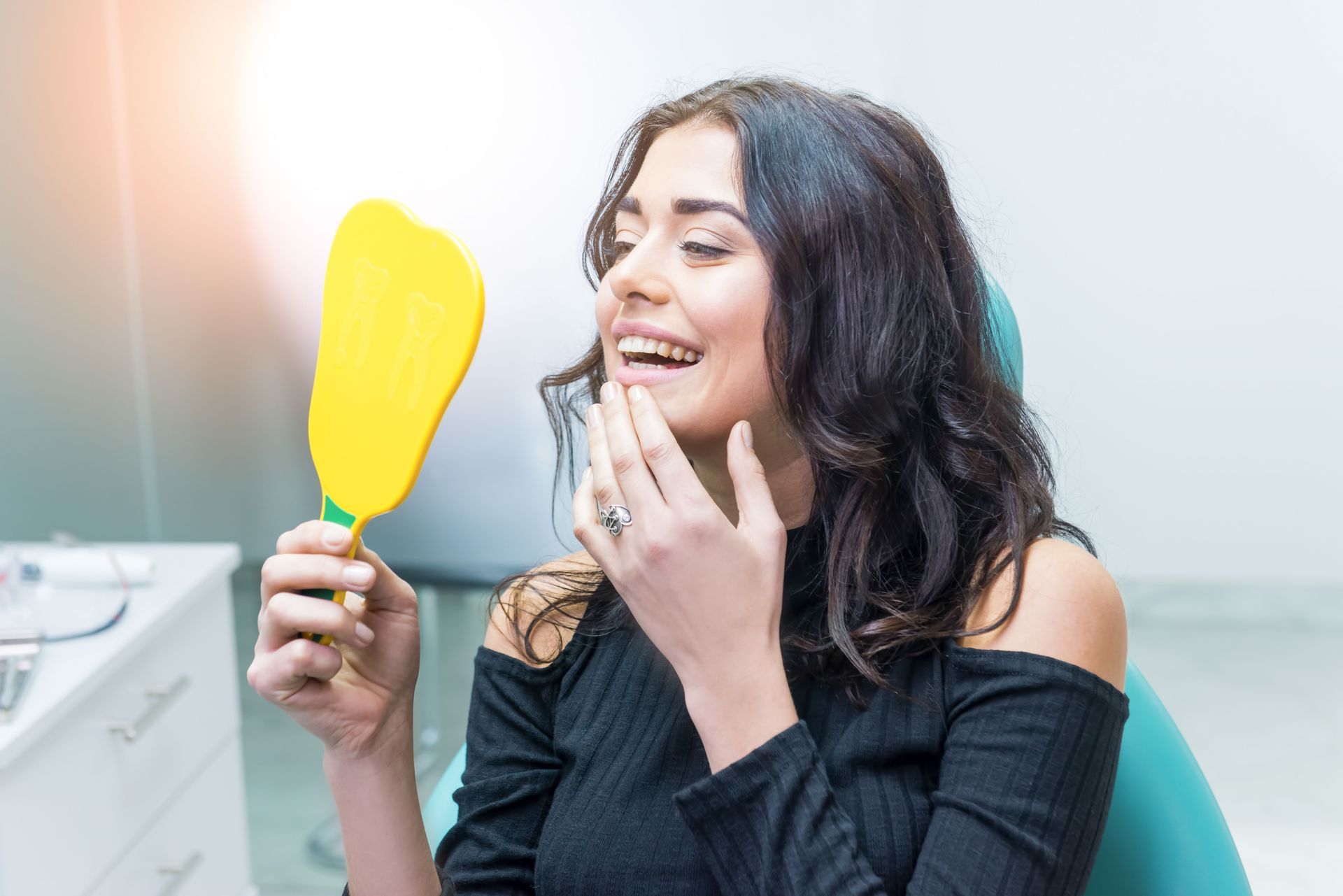
We live in an increasingly visual society where a confident smile is often viewed as a key component of personal and professional success. In 2026, the prevalence of high-definition video communication has made people more conscious of their appearance, leading to a massive increase in visits for cosmetic and restorative services. More Americans are seeking professional whitening, porcelain veneers, and modern orthodontic solutions like clear aligners to enhance their self-esteem and present their best selves to the world. This trend is driven by a desire to look as good as one feels, with patients seeing their smile as a worthwhile investment in their future.
However, today’s patients are looking for a balance between aesthetics and function; they want a smile that looks beautiful but is also built on a foundation of healthy gums and strong enamel. This desire for a "camera-ready" look has served as an excellent gateway for many patients to re-engage with professional care. Once they come in for a consultation about aesthetic enhancements, they are often brought up to date on their general cleanings and preventative maintenance. This holistic approach ensures that cosmetic improvements are sustainable and that the underlying structures remain healthy for decades to come.
Overcoming Traditional Dental Anxiety
For a significant portion of the population, the primary barrier to regular checkups was never money or time—it was deep-seated anxiety. In 2026, the industry has made monumental strides in mitigating patient fear by focusing heavily on the overall experience and psychological comfort. Modern practices now offer "comfort menus" that include everything from noise-canceling headphones and weighted blankets to tailored sedation options for those who feel particularly nervous. The shift toward "gentle dentistry" is a major reason why we are seeing such a high volume of visits this year, as the clinical environment becomes more welcoming.
At Panneton Dental Group, we are proud to be a part of this historic movement toward better health and more accessible care for everyone. Whether you are seeking a routine cleaning to maintain your health or a total smile transformation, our team is dedicated to providing the high-quality, compassionate experience that modern patients expect in 2026. We invite you to experience the difference that a patient-centered, high-tech approach can make for your confidence and your well-being. Contact Panneton Dental Group today to schedule your next appointment with our dentist, and join the millions of Americans who are making their health a top priority.
Share On: